How Common Home Emergencies Like HVAC Failures Can Be Prevented Before They Happen
A furnace that quits during a January cold snap or an air conditioner that dies in the middle of a July heat wave almost never fails without warning. The warning signs appear weeks or even months earlier, in the form of strange noises, uneven temperatures, rising energy bills, and short cycling. The problem is that most of these signals get ignored until the system stops working entirely. At Parliament Builders – NextGen, we spend a large part of our day responding to breakdowns that could have been caught and corrected long before they became an emergency.
Prevention is not complicated, but it does require consistency and a trained eye. Below we break down the specific mechanisms behind the most common home HVAC emergencies, how to read the early signs, and what practical steps keep your heating and cooling equipment running when you need it most.
Reading the Early Warning Signs Before a Breakdown
Mechanical failures develop over time. A compressor does not seize overnight, and a heat exchanger does not crack in a single afternoon. These components degrade gradually, and they communicate that degradation through symptoms you can learn to recognize. A furnace that cycles on and off more frequently than usual is often struggling with airflow restriction or a failing limit switch. An air conditioner that blows warm air may be low on refrigerant due to a slow leak that started months ago.
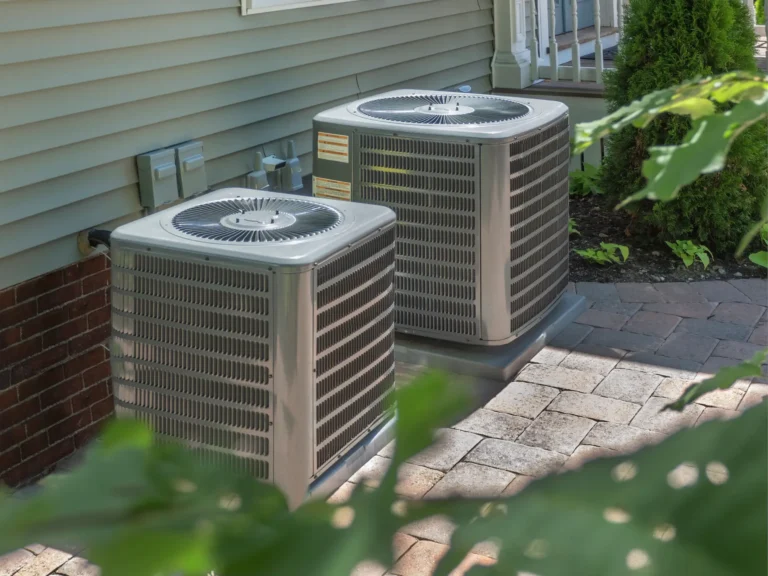
When our technicians arrive on a service call, we listen to how the equipment describes its own condition. A high-pitched squeal usually points to a worn blower belt or bearing. A metallic grinding sound signals a motor on the edge of failure. A burning smell from the ductwork can indicate overheating electrical components. Learning these cues lets you call for service before the small issue cascades into a full system shutdown. We service all makes and models, so no matter what brand sits in your basement or beside your home, we can diagnose it.
The Maintenance Habits That Stop Emergencies at the Source
The single most effective way to prevent an HVAC emergency is routine maintenance performed on a predictable schedule. Dust, moisture, and ordinary wear accumulate in ways that quietly strain every component. A professional tune-up catches these conditions while they are still cheap and simple to correct. Here are the core preventive tasks that make the biggest difference:
- Filter replacement: A clogged filter chokes airflow, overheats the furnace, and freezes the AC coil. Changing it every one to three months protects the entire system.
- Coil cleaning: Dirty evaporator and condenser coils force the system to run longer and hotter, accelerating compressor wear and driving up energy costs.
- Refrigerant inspection: Low refrigerant indicates a leak. Catching it early prevents compressor damage, which is among the most expensive repairs possible.
- Electrical connection checks: Loose or corroded connections generate heat and cause intermittent failures that are difficult to trace once they worsen.
- Condensate drain clearing: A blocked drain can flood, trigger safety shutoffs, and cause water damage around the equipment.
Keeping up with these items is the difference between a quiet, reliable system and one that strands you without heat or cooling at the worst moment. When something does slip through, our 24-hour emergency service means you are never left waiting through the night. We also keep our prices fair and reasonable, so preventive care never feels like a gamble.
Seasonal Preparation for Oak Lawn and Oak Park Homes
The climate in this region puts real strain on heating and cooling equipment. Winters demand hard, continuous furnace operation, while summers push air conditioners to their limits for weeks at a time. Preparing each system before its peak season is one of the most reliable forms of emergency prevention. A furnace checked in early fall has the whole season ahead to run safely. An air conditioner serviced in spring is ready before the first heat wave arrives.
Seasonal preparation also gives us the chance to test safety-critical components that rarely get attention. We inspect heat exchangers for cracks that could leak carbon monoxide, verify that pressure switches and limit controls respond correctly, and confirm that thermostats read and command temperatures accurately. These checks protect both your comfort and your family’s safety, and they are far easier to schedule in advance than during a crisis.
When to Repair, When to Replace, and How We Help You Decide
Not every aging system should be repaired indefinitely. There comes a point where ongoing repairs cost more over time than a planned replacement, and a system on its last legs is far more likely to fail suddenly. We help homeowners weigh this decision honestly, considering the age of the equipment, the frequency of recent repairs, and the efficiency gains a modern unit would deliver.
When replacement makes sense, we offer free installation estimates so you can plan without pressure. Whether you are servicing an existing system, upgrading before it fails, or planning a brand new home or business installation, Parliament Builders – NextGen is here to help. Our quick response times, fair pricing, and commitment to great customer service mean you get straight answers and dependable work every time. The best emergency is the one that never happens, and with the right care, most never do.